

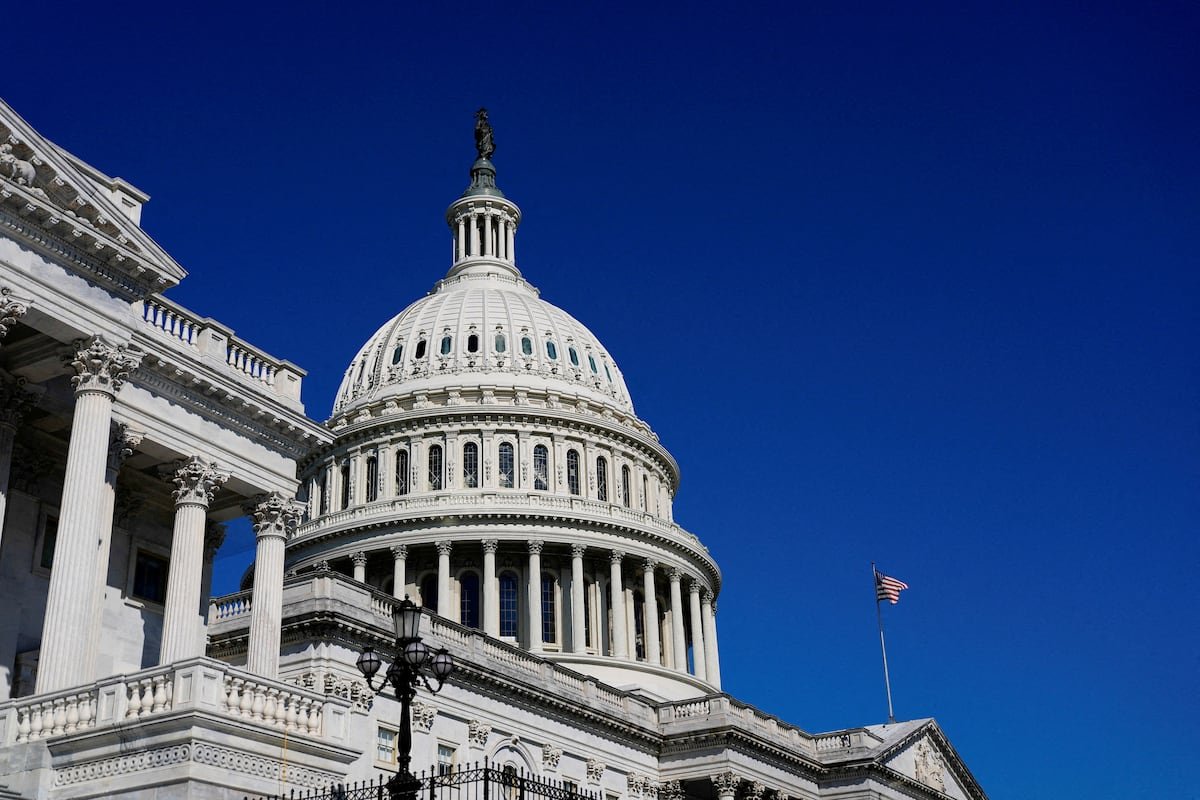
The House of Representatives passed its version of the National Defense Authorization Act last week, leaving in place a controversial provision that would encourage co-development and co-production between the U.S. and Israeli defense industrial bases.
The House’s version of this provision, known as Section 219, proposes further integration between the U.S. defense industrial base and Israel’s. It comes amid a dramatic shift in U.S. public opinion about military aid to Israel.
Both the House and Senate versions of the provision would shift the model of security cooperation the U.S. and Israel now employ.
Though there is already co-production between the two countries on weapons systems, those efforts historically have been limited to defensive systems like the Iron Dome. The House version creates an executive agent position within the Pentagon who would seek out and advocate for co-production opportunities.
Rep. Ro Khanna, D-Calif., tried unsuccessfully to pass an amendment striking the measure when the bill was being debated in committee last month. Rep. Thomas Massie, R-Ky., has also been a vocal opponent.
Proponents of the measure, including House Armed Services Committee Chair Mike Rogers, R-Ala., have argued it “actually improves oversight and accountability of these programs by designating a single official responsible for them.”
RELATED
Elias Yousif, fellow and acting director of the Conventional Defense Program at the Stimson Center, said the provision could create a situation in which there would be less oversight than traditional foreign military aid, which must be approved by Congress.
“There are all these ways in which co-production’s more ill-defined nature means that it creates opportunities for the executive branch to navigate the regulatory environment more easily,” Yousif said.
John Ramming Chappell, an advisor on legal and policy issues in the Center for Civilians in Conflict’s U.S. program, said he was unsure how the U.S. could benefit from the change.
“Expanding cooperative projects with Israel gives Israel more leverage over the United States and makes it even more difficult to promote accountability in the relationship as US and Israeli government priorities diverge and clash,” Chappell said. “Beyond that, it’s unclear how much the U.S. will actually benefit from cooperative projects, they haven’t historically been subject to meaningful oversight, and they expose the U.S. to potential national security risks.”
Despite passing in the House, the Senate version of the NDAA — including its version of Section 219, titled Section 1217 — could face a tougher battle. Several Democratic senators have said they will not vote on the NDAA until there is debate about the measure.
“The Senate’s bill has stalled, and next steps remain unclear, but it’s likely that Senate and House stakeholders [will] negotiate a compromise bill with the presumption of including some version of this provision,” Chappell said. “While Congressman Smith, ranking member of the House Armed Services Committee, has expressed his opposition to the provision, it’s unclear if he’s going to push to remove it in negotiations.”
If the NDAA passes with a measure like the House’s Section 219 or the Senate’s 1217, legislators have some leverage over how exactly it could play out, Yousif said.
They “need to be much more forceful about closing regulatory gaps that the administration has used in the past to circumvent accountability and transparency,” Yousif said. “Whether that means definitional gaps on what constitutes assistance and what doesn’t, or demanding more transparency mechanisms, reporting requirements — I think those are all opportunities and potential levers that lawmakers and others have.”
Read the full article here