
The Pentagon is looking to create standards to assess the impact of blast-induced mild traumatic brain injuries.
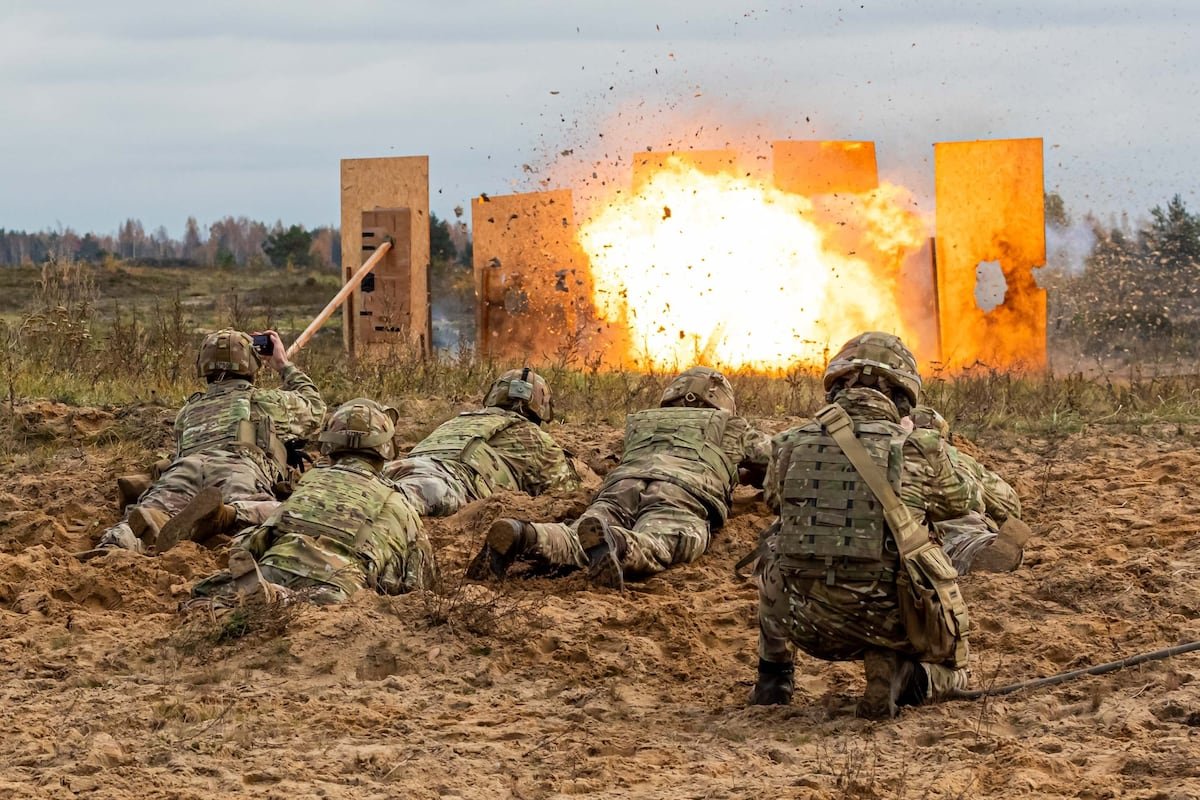
The goal is to have benchmarks that will allow assessment of the “physiological and biomechanical effects of blast injuries” caused by explosions of enemy munitions or the blast effects from firing friendly weapons, according to the Request for Information by the Blast Injury Research Coordinating Office, or BIRCO, within U.S. Army Medical Research and Development Command.
This will enable “risk assessment of military service members who are exposed to blunt impacts resulting from acceleration of the body, blunt injury from a ballistic strike to the helmet, or effects from blast pressure produced by a weapon system or explosion,” the RFI reads.
BIRCO is seeking a variety of information that can help formulate standards for assessing mild traumatic brain injuries, or mTBI. The information could include existing criteria, standards and models for brain injuries, as well as identifying experts on the topic.
The Pentagon is also seeking input from manufacturers of protective gear that can be “highly relevant to understanding human tolerance limits and predicting blast injuries.”
The RFI uses a broad definition of blast injuries, including the effects on the body of blast-wave overpressure, fragments, the human body being thrown against hard objects, collapsing buildings and burns, as well as the effects of toxic gases and radiation.
“The standards can range from simple dose response curves and injury thresholds that address single components of blast insults, such as blast pressure wave magnitude, or address multiple components of blast insults, such as pressure magnitude over time,” the RFI said.
These standards will be used for “health hazard assessments, survivability assessments, and protection system development aimed at producing safe weapon systems, survivable combat platforms, and effective protection systems.”
The effects of traumatic brain injuries on military personnel have become better known in recent years. There is evidence that exposure to the blast of firing artillery, tank guns and handheld missiles, as well as being thrown around while riding small boats used by special operations forces, leads to brain trauma, or even TBI.
Department of Defense data from the Iran war shows a relatively high proportion of head trauma from Iranian missile and drone strikes.
The RFI was published after the Government Accountability Office released the findings of its investigation into the ability of military services to provide baseline cognitive assessments to troops. Across the services, the Defense Department is hampered by staff shortages and a lack of technology needed to conduct the assessments, the GAO found.
The Pentagon announced in April that it will begin a one-year pilot program to test a new cognitive assessment tool, an app that service members can use to complete assessments. DoD officials said the app will be less resource-intensive than current assessments and will help improve the services’ ability to track exposures.
Veterans who have suffered traumatic brain injuries are more than twice as likely to die by suicide, according to a 2019 study.
Michael Peck is a correspondent for Defense News and a columnist for the Center for European Policy Analysis. He holds an M.A. in political science from Rutgers University. Find him at theuncommondefense.com. His email is mikedefense1@gmail.com.
Read the full article here