

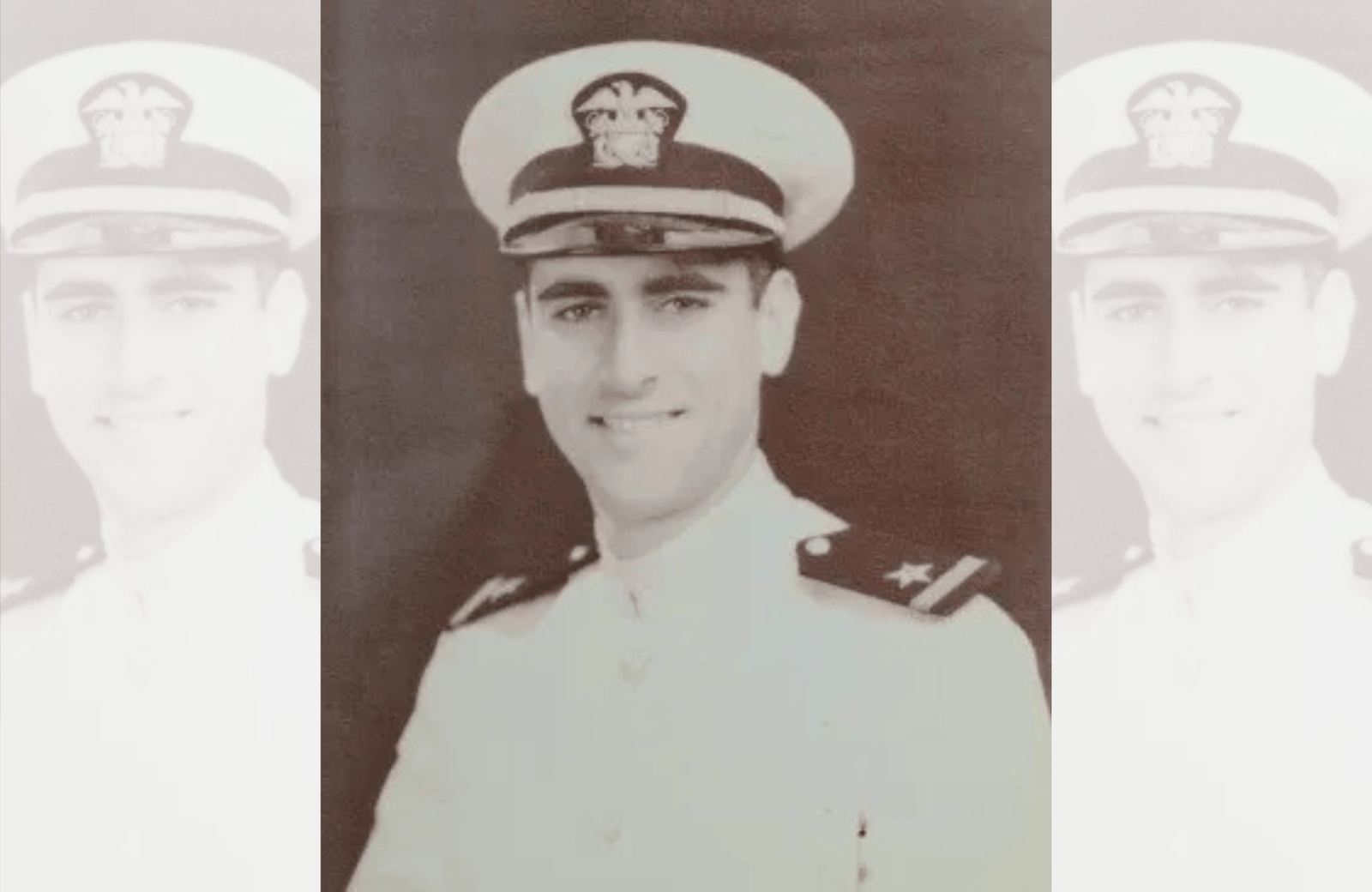
Brooklyn Federal Court Judge Jack Weinstein, a submariner in World War II, presided over the 1984 class action suit brought by veterans seeking compensation from seven chemical companies for the illnesses they charged were traceable to exposure to the defoliant Agent Orange in Vietnam.
“The veterans were treated dreadfully at the time [by their government] and I, as a veteran, had a great deal of empathy for them,” Weinstein said later in an interview.
“It was obvious right from the beginning that the case was a political-legal case and not a technological case” that would turn on whether the veteran plaintiffs could directly establish causation between the spraying of the defoliant by C-123 aircraft and “all the diseases that the veterans were afraid of,” Weinstein said.
Weinstein pressed the lawyers for the veterans and the chemical companies to come to a settlement before the case went to a jury. Even if the veterans won at trial, Weinstein was sure that the case would be rejected on appeal on the difficult legal issue of causation when epidemiology is involved.
He was also sure that rejection would set up a major roadblock to any future attempts to gain disability benefits for Agent Orange exposure from what was then the Veterans Administration.
On May 7, 1984, the day before the case was set to go to trial, the veterans and the chemical companies reached an out-of-court settlement brokered by Weinstein that required the companies to set up a $180 million compensation fund without admitting any liability.
At a later hearing set up by Weinstein, the veterans complained bitterly that the fund was inadequate and spoke of how they were blindsided in Vietnam when the Agent Orange spraying began.
”I thought the enemy was throwing gas at us” during action in Tay Ninh province north of what was then Saigon, veteran Ramon T. Suarez testified at the hearing. ”When I got home, I learned it was the U.S.,” The New York Times reported.
Despite the veterans’ disappointment, Weinstein’s management of the case had put on record that something had gone terribly wrong in Vietnam. Seven years later, Congress passed the Agent Orange Act of 1991, which established presumptive service-connection status for diseases linked to defoliant exposures. Since then, more than 690,000 Vietnam veterans have received disability benefits for presumptive exposure to defoliants.
Weinstein credited his Navy service — particularly seeing action during the Battle of Leyte Gulf — with giving him the confidence to assert his presence, whether in the courtroom or in the classroom teaching law. “I had learned how to command, which stood me in great, good stead when I was a professor at Columbia and when I worked in the courtroom,” he said in an interview with U.S. Courts.
“I was in full command of that courtroom and I have been since, just as I was when I was at the conning tower in the middle of the night standing watch” as a Navy Reserve lieutenant on the submarine Jallao, he said. “The ship was mine, the courtroom was mine, the classroom was mine.”
Weinstein served as a federal judge for 53 years, from his commission on April 15, 1967, until his death on June 15, 2021, although he had retired from active caseloads in February 2020. He was the last surviving federal judge who was appointed to the bench by President Lyndon B. Johnson.
Read the full article here